


Learn TagalogWith Wika


The Foundation
Basic Filipino Phrases



 TAGALOG
 CEBUANO
 ILOCANO
 HILIGAYNON
 ASI
Meet Tagalog
The language of Metro Manila, the Southern Tagalog provinces, and Filipino families around the world.

Also called
- Filipino
Whatever your family calls it, it's the same language and the same course.

Where Tagalog is spoken
- Metro Manila
- Batangas, Cavite, Laguna, Quezon and Rizal
- Bulacan, Nueva Ecija and Aurora
- Marinduque and Mindoro
- Across the country and the diaspora as Filipino
Connect with Tagalog
From family traditions to everyday phrases, here is what makes this language worth keeping, and worth passing on.


Welcome to Manila
National Capital Region, Philippines
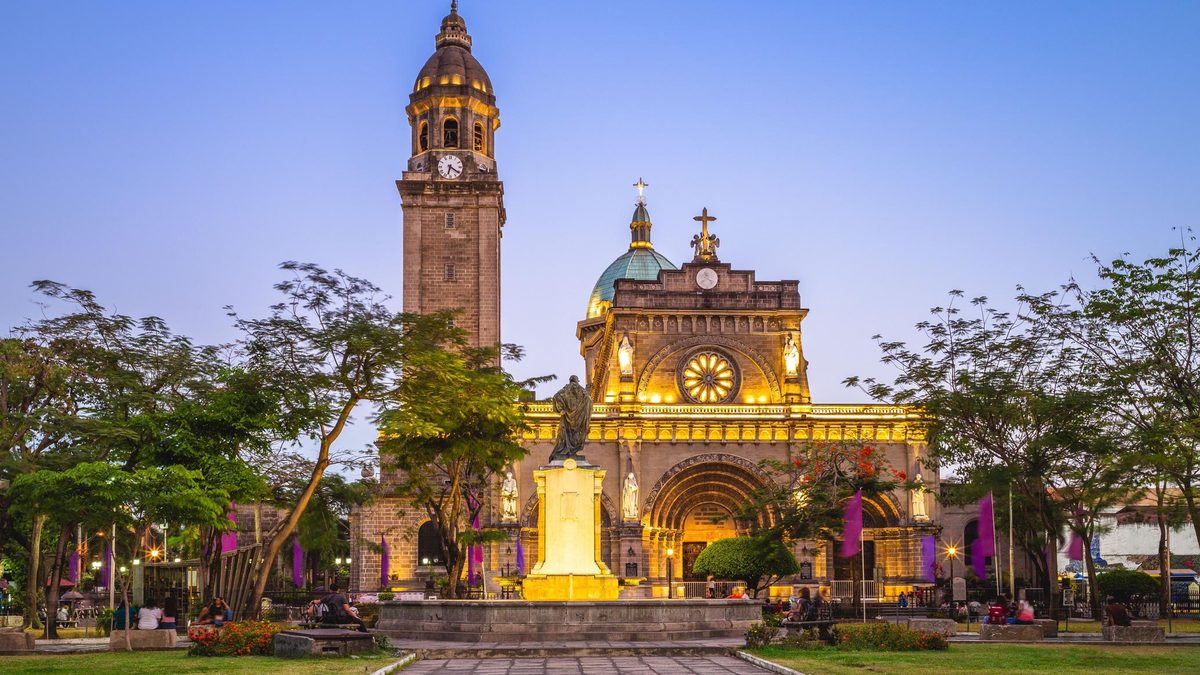
Welcome to Manila
National Capital Region, Philippines
Where Tagalog is Spoken
Feed
312,908 views
Pahiyas Festival in Lucban, Quezon
View 812 comments
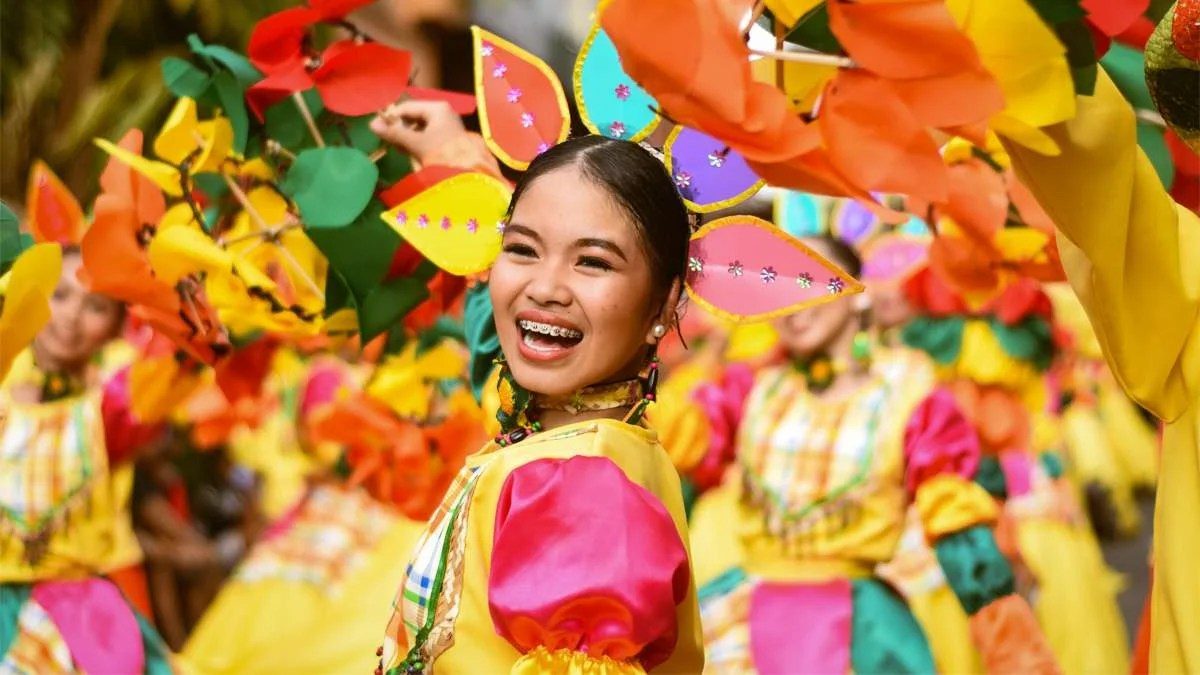
Pahiyas Festival in Lucban, Quezon
View 812 comments
The Culture and Traditions
It's raining! Tricycles aren't allowed on the highway. How are you getting home?
Sasakay na lang ako ng bus para hindi ako mabasa.
It's raining! Tricycles aren't allowed on the highway. How are you getting home?
Sasakay na lang ako ng bus para hindi ako mabasa.
Why is Tagalog Unique?
Why Learn to Speak Tagalog?
Tagalog opens doors, sparks conversations, and connects you to a whole way of life.
UNIT 1
Basic Filipino Phrases
🏁 LAYUNIN
Learn how Filipinos greet, thank, and show respect in everyday life — and why the way you say something matters just as much as what you say.
Mga Pangunahing Parirala
👵"Saan Ka Pupunta?"
For Family
Tulay
English
Good morning
Filipino
Magandang umaga
ma-GAN-dang u-MA-ga
You say
Filipino
Magandang umaga
ma-GAN-dang u-MA-ga
For Going Home
UNIT 1
Basic Filipino Phrases
🏁 LAYUNIN
Learn how Filipinos greet, thank, and show respect in everyday life — and why the way you say something matters just as much as what you say.
Mga Pangunahing Parirala
🎌"Po" and "Opo": The Respect Words
Filipino has a built-in grammar of respect. "Po" and "Opo" are added when speaking to elders, strangers, or anyone deserving respect. Kumusta ka? is casual. Kumusta ka po? is respectful.
For Culture
Gamitin ang iyong natutunang wika!
Nakatagpo ka ng isang turista sa Maynila.
Excuse me, how are you?
Sagutin sa Tagalog...
For Work
How To Learn Tagalog
If you're starting from zero, Wika gets you going with the fundamentals first.
UNIT 1
Basic Filipino Phrases
🏁 LAYUNIN
Learn how Filipinos greet, thank, and show respect in everyday life — and why the way you say something matters just as much as what you say.
Mga Pangunahing Parirala
Greetings and Polite Words
Gamitin ang iyong natutunang wika!
Nakatagpo ka ng isang turista sa Maynila.
Excuse me, how are you?
Sagutin sa Tagalog...
Sagutin sa Tagalog...
💡 Halimbawang Sagot
Mabuti naman, salamat po! Kumusta kayo?
Introducing Yourself
Ano ang ibig sabihin ng "Good morning?"
Piliin ang tamang sagot!
Ano ang ibig sabihin ng "Good morning?"
Everyday Words You'll Use
Basic Questions and Answers
UNIT 1
The Foundation
Basic Filipino Phrases
UNIT 1
Basic Filipino Phrases
Your Tagalog Learning Path
What you'll learn in Tagalog
Short lessons, one step at a time: kumusta, reviewer, practice, scenario, recap.
- 01
Greetings and polite words
Hello, thank you, and the respectful words elders notice first.
- 02
Introducing yourself
Your name, where your family is from, and a little about you, in Tagalog.
- 03
Everyday words
The words that come up at home, at the market, and at the family table.
- 04
Questions and answers
Simple questions and replies that turn a one-word exchange into a conversation.
- 05
Family and respect
How to talk to lolas, titos, and cousins in Tagalog, with the right level of respect.
- 06
Real conversations
Practise everyday situations with Dialecto, Wika's conversation partner, on the paid plans.




Learn Tagalog as an Experience
Designed for Heritage learners, families, and anyone reconnecting with Tagalog.


Talk to Dialecto, Your Conversational Companion
Meet Dialecto , your ultimate judgment-free practice buddy that helps you speak through everyday real-world situations and master local expressions.


Personalized Dynamic Learning Loop
Say goodbye to generic lessons. Wika builds a path tailored completely to you, matching your personal goals whether you're talking to family or visiting the province.


Gamified Level Progression
Climb the ranks from beginner to fluent. Earn XP, unlock digital achievements, and rise to the top of competitive weekly leagues.

Built with native speakers
Tagalog sounds different from town to town and family to family. That's why Wika's Tagalog course is reviewed by people who grew up speaking it.
Speak Tagalog? Become a Wika Contributor- Native Tagalog speakers check words, phrases, and recordings.
- Corrections from the community go back into the lessons.
- Every contributor helps keep Tagalog alive for the next generation.


Tagalog questions, answered
The things people ask before starting Tagalog.
Is Tagalog free to learn on Wika?
Yes, it's free to start. Wika is free to download, and core Tagalog lessons, streaks, missions, the dictionary, and rank progression are free to use. Conversation practice with Dialecto comes with the optional paid plans. Read the subscription terms
Is Filipino the same as Tagalog?
Filipino, the national language, is based on Tagalog, and the two are very close in everyday speech. Wika's course teaches the Tagalog people speak at home and in Metro Manila, which is what most learners mean by Filipino.
Can I learn on Android?
Yes. Wika is on Google Play for Android phones and tablets, and on the App Store for iPhone and iPad. Get it on Google Play
How long does it take to learn Tagalog?
It depends on where you start and how often you practise. Lessons are short enough to fit into a few minutes a day, and Wika places you at the right level, whether you're a complete beginner or a heritage learner who understands more Tagalog than you speak.
I understand some Tagalog but can't speak it. Is Wika for me?
Yes. That's who Wika is built for: heritage learners and families reconnecting with Tagalog. You can start from the basics or move quickly through what you already know.
Who checks the Tagalog lessons?
Native Tagalog speakers review the words, phrases, and recordings so every lesson sounds like home. If you speak Tagalog, you can help as a Wika Contributor. Be a Wika Contributor
Ready to Find Your Voice?
Wika is live on the App Store and Google Play — download it free and start speaking like a local today!


Ready to Find Your Voice?
Wika is live on the App Store and Google Play — download it free and start speaking like a local today!